Source Car Painting Ceiling Filter for HVAC, Spray Booths, and Clean Rooms
Compare 30 car painting ceiling filter options from verified Chinese manufacturers. Buyers can evaluate filtration grades, thickness, and dimensions to find suitable air filters for industrial spray booths and clean room applications; compare the available evidence and request quotations based on your requirements.
Key considerations
Products List




Comprehensive Sourcing Guide
Car Painting Ceiling Filter Sourcing Guide
Sourcing high-quality filtration media for automotive painting environments requires a precise understanding of material composition and operational parameters. Buyers must distinguish between general air filters and specialized ceiling filters designed to manage particulate matter in spray booths. The primary objective is to ensure clean air delivery while maintaining consistent airflow dynamics. This guide focuses on the technical and commercial aspects of procuring these essential components, ensuring that procurement teams can make informed decisions based on verified data rather than marketing claims.
The market offers a variety of filter types, including cabin filters and general air filters, which may serve as alternatives or complementary products in broader HVAC systems. However, for dedicated car painting applications, the focus remains on medium-grade filtration media capable of capturing fine dust and overspray. Understanding the specific classification of the filter, such as F5 or F6 grades, is critical for matching the product to the booth’s airflow requirements. This alignment ensures optimal filtration efficiency without causing excessive pressure drop that could disrupt the painting process.
Product Scope and Observed Listing Signals
The current market landscape for car painting ceiling filters reveals a diverse range of products originating primarily from China, with significant manufacturing hubs in Guangzhou and Foshan. Listings indicate a wide price range, reflecting variations in material quality, thickness, and packaging standards. Buyers should observe that products are often described with specific attributes such as synthetic fiber or fiberglass mediums, with weights ranging from 420g/sqm to 620g. These variations directly impact the filter’s durability and filtration capacity, making it essential to verify the exact specifications before placing an order.
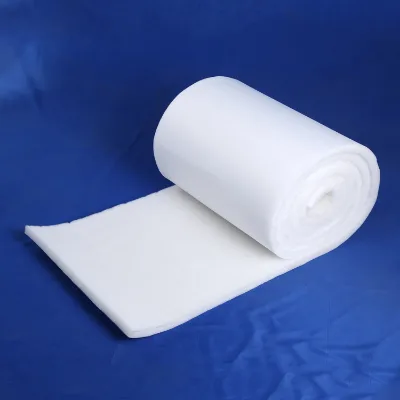
Observed listing signals also highlight the importance of customization options, with many suppliers offering tailored dimensions and surface treatments. Common standard sizes include 1m20m, 1.6m20m, and 2m*20m, though custom lengths are frequently available. The surface of the filter media may feature fiberglass net, cloth net, or PE net, each offering different benefits for air permeability and structural integrity. Additionally, the presence of full glue or surface glue options suggests that buyers can select products based on their specific adhesive requirements for installation in ceiling grids.
Technical Specifications to Verify
When evaluating technical specifications, buyers must prioritize the filtration grade and material composition to ensure compatibility with automotive painting standards. Medium filter grades are commonly observed, with some products specified as pre-filters or falling into the F5 and F6 classifications. The thickness of the filter media typically ranges from 22mm to 25mm, which influences both the dust-holding capacity and the initial pressure drop. Verifying these dimensions is crucial, as deviations can affect the airflow rate and the overall efficiency of the spray booth’s ventilation system.
Pressure drop characteristics are another critical technical parameter that requires careful verification. Initial pressure drops are often observed around 40PA to 450PA, depending on the filter’s density and construction. Buyers should also check the final pressure drop limits, as exceeding these thresholds can indicate clogging or reduced airflow. Temperature resistance is another key factor, with some products rated for up to 125 degrees Celsius, ensuring stability in warm painting environments. Additionally, flammability ratings, such as F1, provide insight into the safety profile of the filter material under high-heat conditions.
Compliance and Safety Documentation
Compliance with safety standards is paramount when sourcing filters for car painting applications, where flammable paints and solvents are frequently used. Buyers should request documentation confirming the flammability rating of the filter media, ensuring it meets the required safety classifications for industrial environments. While specific standards like DIN53438 or UL900 are mentioned in some contexts, buyers must verify the exact certification status with the supplier, as these may not apply to all products. Ensuring that the filter material is non-combustible or has a low flammability rating is essential for preventing fire hazards in spray booths.
Air quality and filtration efficiency standards also play a significant role in compliance. Buyers should inquire about the En779 class of the filter, as this indicates its performance in capturing particulate matter. Documentation should also include test results for dust holding capacity and rated air flow, which are critical for maintaining consistent booth performance. Additionally, verifying the material’s resistance to temperature and chemical exposure ensures long-term durability and safety. Buyers must ensure that all provided documentation is up-to-date and relevant to their specific operational requirements.
Cost Drivers and Commercial Terms
Cost drivers for car painting ceiling filters include the type of medium material, thickness, and any customization requirements. Synthetic fiber and fiberglass mediums offer different price points based on their filtration efficiency and durability. Buyers should also consider the packaging method, as products packed in PE bags or cartons may have different handling and storage costs. The weight of the filter, ranging from 420g/sqm to 620g, also influences the unit price, with heavier filters typically offering higher dust-holding capacity but at a higher cost.
Commercial terms such as minimum order quantity (MOQ) and lead times are significant factors in procurement planning. Observed MOQs range from 1 to 20,000 units, allowing for flexibility in order sizes. Lead times are typically within 10 days after payment, facilitating quick replenishment of stock. Buyers should negotiate terms that align with their production schedules, considering the potential for custom sizes and surface treatments. Understanding these commercial dynamics helps in budgeting accurately and ensuring a steady supply of filtration media for continuous operations.
Supplier Qualification and Quality Control
Supplier qualification is a critical step in ensuring the reliability of car painting ceiling filter supplies. Buyers should verify the supplier’s manufacturing capabilities, including their ability to produce customized sizes and surface treatments. Quality control processes should be transparent, with suppliers providing detailed specifications for each batch of filters. Buyers must ensure that the supplier adheres to consistent production standards, particularly regarding the thickness, weight, and filtration grade of the media. This consistency is vital for maintaining uniform performance across all installed filters.
Inspection protocols should include checks for material integrity, adhesive application, and packaging quality. Buyers should request samples for testing before committing to large orders, allowing for verification of technical specifications such as pressure drop and airflow rate. Additionally, suppliers should provide evidence of their quality management systems, ensuring that each product meets the agreed-upon standards. Establishing a clear communication channel for addressing any quality issues is also essential, enabling quick resolution of any discrepancies and maintaining a reliable supply chain.
Long-Term Procurement Checks
Long-term procurement checks involve monitoring the performance of installed filters and evaluating supplier reliability over time. Buyers should track metrics such as pressure drop increases and dust holding capacity to assess the filter’s lifespan and efficiency. Regular audits of supplier performance, including delivery times and product consistency, help identify any potential issues early. Maintaining a relationship with multiple suppliers can also mitigate risks associated with supply chain disruptions, ensuring continuous availability of critical filtration media.
Continuous improvement in procurement practices should include staying updated on industry standards and technological advancements in filter materials. Buyers should periodically review their specifications to ensure they align with current best practices in automotive painting environments. Engaging with suppliers for feedback on product performance can also lead to better product selections and improved operational efficiency. By maintaining a proactive approach to procurement, buyers can optimize their filtration systems and support a safe, efficient painting process.
FAQs
What is the filtration grade for car painting ceiling filters?
The filtration grade is typically classified as a medium filter, suitable for capturing fine particulates in automotive painting environments. Some variants are designated as pre-filters or meet En779 F5 standards. This classification ensures effective air purification while maintaining optimal airflow for professional spray booths and industrial ventilation systems.
Can car painting ceiling filters be customized for specific dimensions?
Yes, customization is available for various dimensions and specifications. Standard sizes include 1m by 20m, 1.6m by 20m, and 2m by 20m, with options for 21m lengths. Manufacturers can adjust thickness, weight, and surface materials like fiberglass or polyester nets to meet unique booth requirements and airflow needs.
What materials are used in car painting ceiling filters?
These filters are primarily constructed from synthetic fibers, fiberglass, or polyester materials. The medium often features a fiberglass net, cloth net, or PE net surface. Composite fabric manufacturing methods ensure durability and consistent filtration performance, allowing for effective dust holding and resistance to high temperatures in industrial painting applications.
What is the temperature resistance of these ceiling filters?
The filters generally offer temperature resistance up to 100 or 125 degrees Celsius, depending on the specific model and material composition. This thermal stability ensures safe operation in warm painting environments. The flammability rating is typically F1, providing an additional layer of safety for industrial ventilation systems and spray booth applications.
How is the air flow performance measured for these filters?
Performance is measured by initial and final pressure drops, typically ranging from 40 to 450 PA. The rated air flow is approximately 950 cubic meters per hour, with a test air velocity of 0.25 meters per second. Dust holding capacity is around 480 grams per square meter, ensuring efficient long-term operation.
What packaging options are available for car painting ceiling filters?
Filters are commonly packaged in PE bags for individual protection. Some suppliers offer combined PE bag and carton packaging for bulk shipments. This secure packaging method protects the delicate filter media during transit, ensuring the product arrives in optimal condition for immediate installation in automotive painting facilities and industrial ventilation systems.